

Polyphenols and flavonoidsHow plants protect themselves, and your skin too
Plants stand
in the sun all day.
They cannot avoid
it.
So they protect themselves.
With color.
With scent. With polyphenols.
Those who capture free radicals win back their skin.
What are polyphenols?
Polyphenols are a large family of plant compounds. Plants produce them to protect themselves from UV light, heat, pests, and stress. They are found in berries, pomegranates, grapes, green tea, and many medicinal plants, and they often give them their color.
Flavonoids are the best-known group within this family. This includes, for example, anthocyanins, which color raspberries and pomegranates red.
What they do for the skin
What protects plants also protects the skin. Polyphenols are powerful antioxidants. They capture free radicals that are created by the sun, pollution, and stress before they can damage cells and collagen.
In addition to this is their soothing effect. Stressed, reddened skin is calmed. And because they slow down the breakdown of collagen, they support the firmness of the skin in the long term.

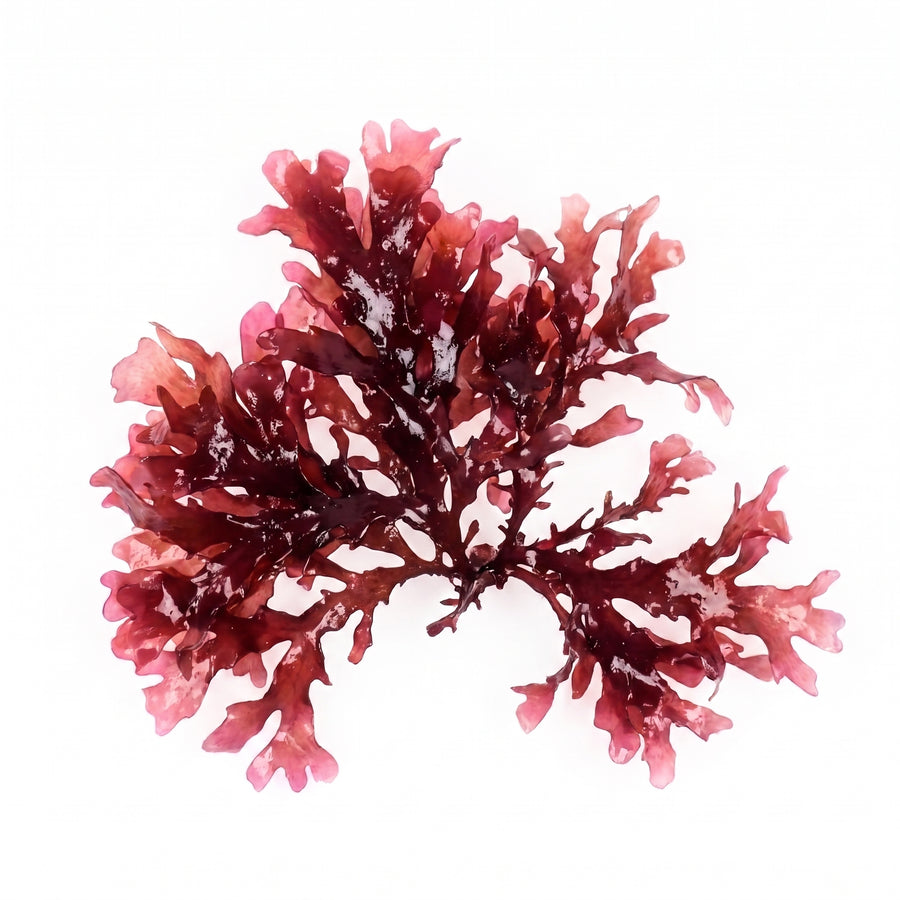
Where they are found in ENUNE skincare
- Pomegranate
- Ellagic acid and punicalagins protect against oxidative stress. In the Repair Complex.
- Raspberry
- Anthocyanins and ellagic acid, together with pomegranate and centella, are soothing. In the Repair Complex.
- Cactus
- Rich in flavonoids and betaine, moisture-binding and antioxidant. In the Mineral C Concentrate.
- Hamamelis
- Tannins from the polyphenol group soothe and refine pores. In the Mineral C Concentrate.
Three active ingredients that together do more than individually.ENUNE on hamamelis, cactus, and zinc
From the outside and from within
Polyphenols work on the skin and through diet. Colorful berries, pomegranates, green tea, cocoa, and olive oil provide them daily. The more colorful the plate, the more protective substances.
On the skin, they work more precisely where stress is created. Both together is the best protection.
Frequently Asked Questions
What is the difference between polyphenols and flavonoids?
Flavonoids are a subgroup of polyphenols. All flavonoids are polyphenols, but not all polyphenols are flavonoids.
Do polyphenols replace sunscreen?
No. They support protection against light stress, but do not replace an SPF.
Are polyphenols suitable for sensitive skin?
Generally, yes. Many, such as those from pomegranate or cactus, even have a soothing effect.
Sources
Nichols J. A., Katiyar S. K. (2010): Skin photoprotection by natural polyphenols: anti-inflammatory, antioxidant and DNA repair mechanisms. Archives of Dermatological Research, 302(2), 71–83.
Działo M. et al. (2016): The Potential of Plant Phenolics in Prevention and Therapy of Skin Disorders. International Journal of Molecular Sciences, 17(2), 160.
 The 3-Minute Effect: When Science Becomes Visible
 Against dependency: Why good skincare should make the skin stronger, not more needy
 Skincare routine from 40 onwards: Fewer steps, the right order
